0
0
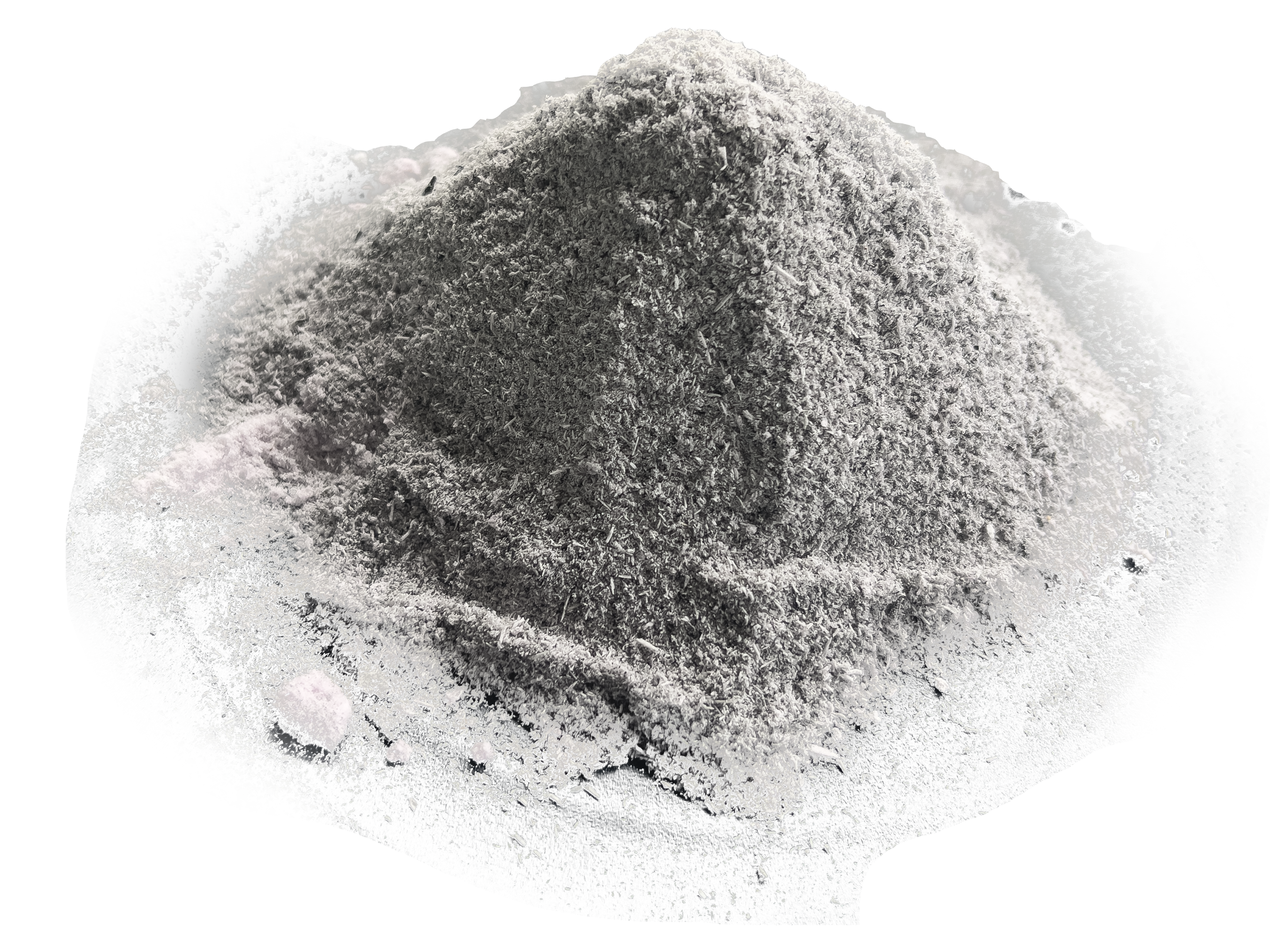
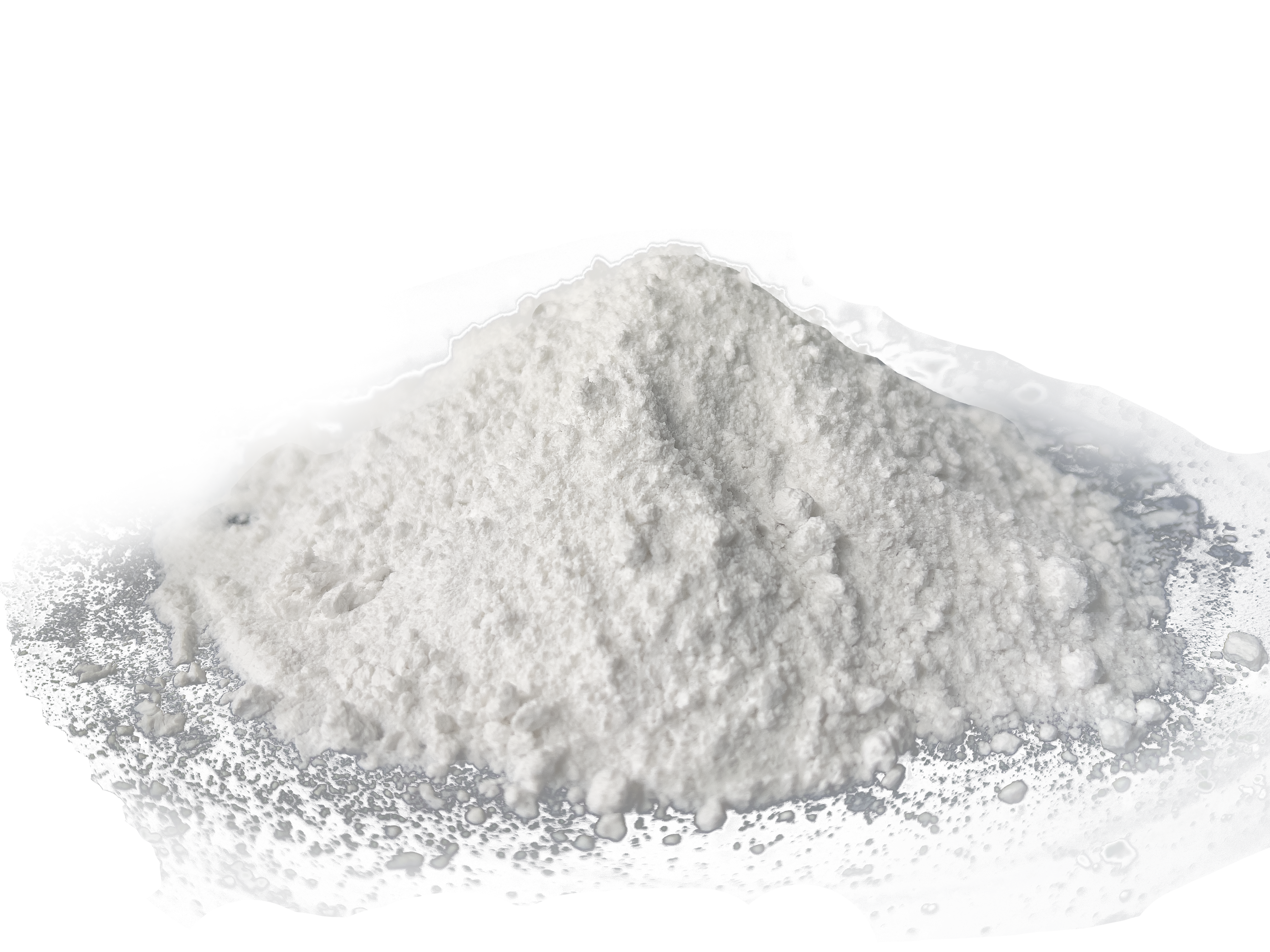
The steel industry plays a crucial role in the global economy, with an increasing demand for production efficiency and sustainability. In this context, silica from rice husk (RHS) has emerged as a promising material, offering numerous benefits for the steel production process. This article aims to provide researchers and developers in the steelmaking field with important information about the properties and applications of RHS.
- Chemical and Physical Properties of RHS
- High SiO₂ content: Silica from rice husk often contains SiO₂ levels of up to 90% or higher, which is crucial for enhancing thermal resistance and chemical stability. SiO₂ is the main component in refractory materials, helping to protect the furnace from the effects of temperature and oxidation.
- Stable chemical components: RHS contains oxides such as MgO, Al₂O₃, and Fe₂O₃ in optimal ratios. These components not only enhance the durability of the material but also improve its thermal shock resistance, which is very important in metallurgical processes.
- Density: With a density of approximately 160-290 kg/m³, RHS enhances the load-bearing capacity and durability of materials in the smelting furnace, thereby minimizing damage and extending the lifespan of the equipment.
- Applications in Steel Industry
- Lining for steel furnaces: The use of RHS as lining for furnaces has been proven to be highly effective. Research shows that RHS not only improves heat resistance but also minimizes oxidation processes, helping to optimize production processes and reduce maintenance costs.
- Fire-resistant materials: Silica from rice husks has excellent thermal insulation and heat resistance properties, making it very suitable for fireproof applications. The use of RHS can prevent the spread of heat and protect structures within the plant, ensuring a safe working environment.
- Optimizing the production process: Using RHS in steel production not only improves efficiency but also helps minimize waste and environmental pollution. The reuse of materials such as rice husks not only brings economic benefits but also demonstrates the company’s commitment to sustainability.
- Conclusion
With its outstanding features and diverse applications, silica from rice husk (RHS) is becoming an important material in the steel manufacturing industry. We are committed to providing high-quality rice husk silica products, helping researchers and developers find optimal solutions for the steel production process.
Please contact us to learn more about research and products from rice husk silica for the steel industry!